
Financial Support Navigator
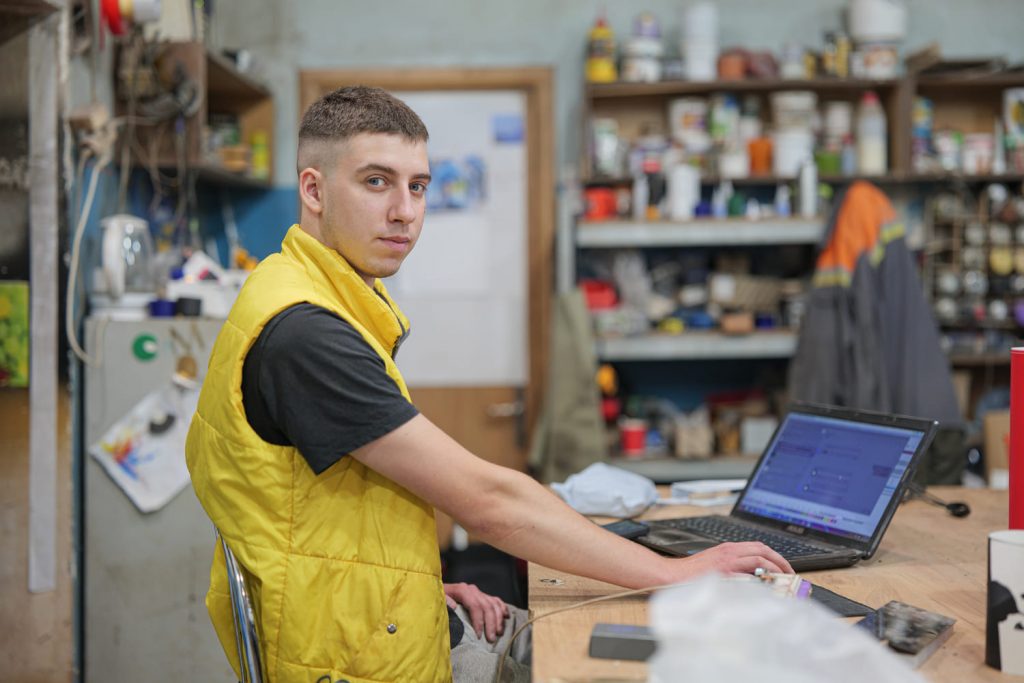
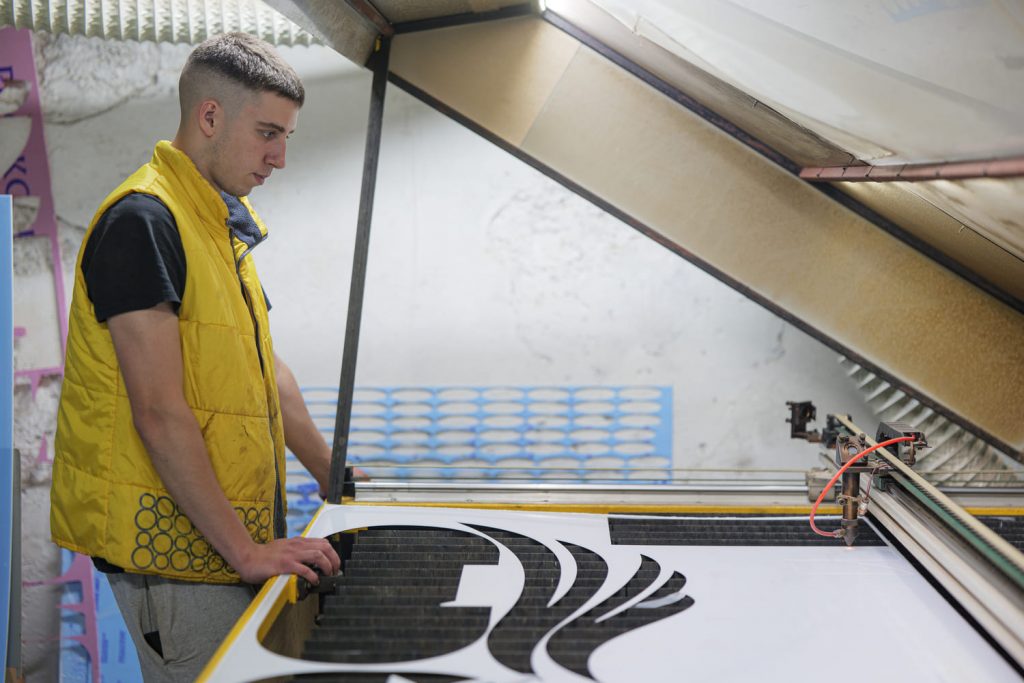
Before the war, Oleksii Komarov specialized in outdoor advertising — illuminated signs, light panels, and neon boards for cafés and restaurants. One day, however, a client asked him to try something different: to design a custom interior lamp. The project was a success — and a new direction was born in Oleksii’s business: custom lighting.
“It’s a niche with little competition and a lot of room for creativity. We work with restaurants, creating chandeliers, sconces, and lighting accents — all based on custom sketches,” Oleksii explains.
Officially registered as a sole proprietor (FOP) since 2008, Oleksii first tried his hand in photography, but by 2010 had fully shifted to manufacturing. Today, he runs a small workshop, a client meeting office, and leads a team of four people.
From Business to Bare Survival
When the full-scale invasion began, Oleksii’s business came to a halt. Clients froze their projects, and new orders stopped coming in. For two months, the team had no work at all. To stay afloat, Oleksii joined local fortification efforts and even worked as an online taxi driver to cover his debts.
“In 2022, we didn’t make a single outdoor sign. We took on occasional interior lighting projects, but the market was frozen. And the debts, the loans — they were dragging us down,” he recalls.
Despite everything, Oleksii didn’t give up. He waited for the right moment, and when the market slowly began to recover, he and his team got back to work.
An Investment in Growth — and the Environment
Later, Oleksii learned about the “Support and Recovery Program for Kryvyi Rih District: Small Business Grants.” He applied — and received support exactly when it was most needed.
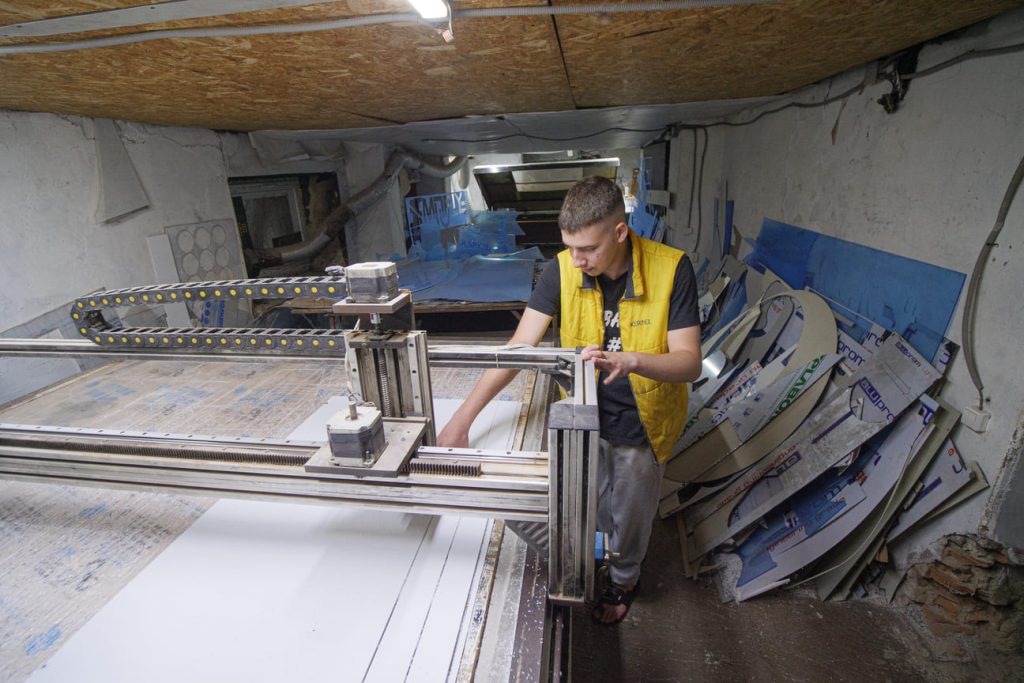
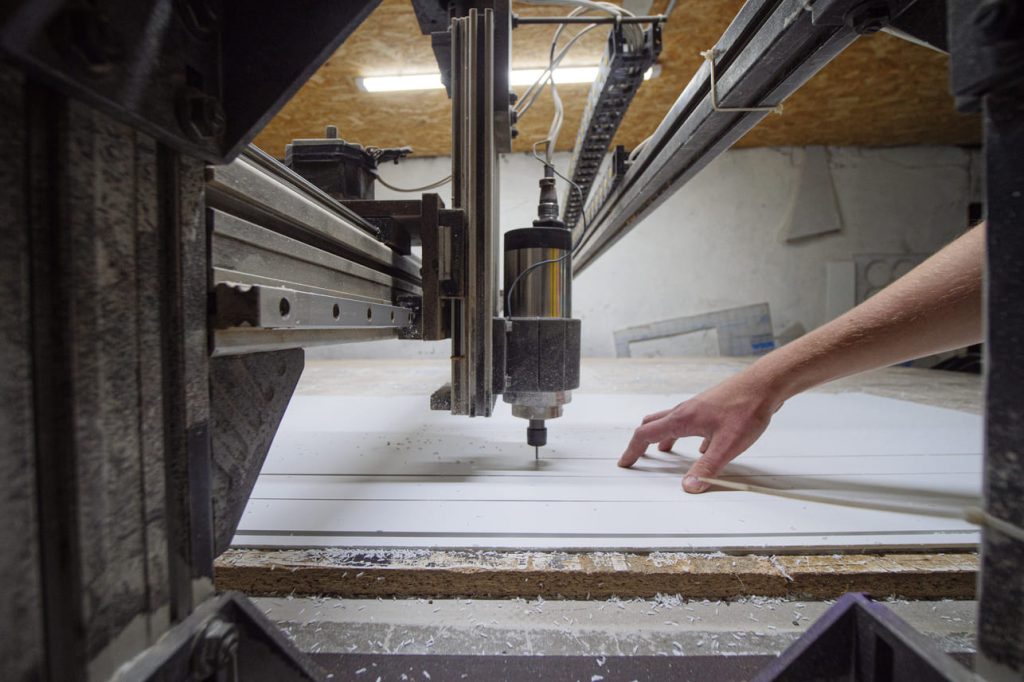
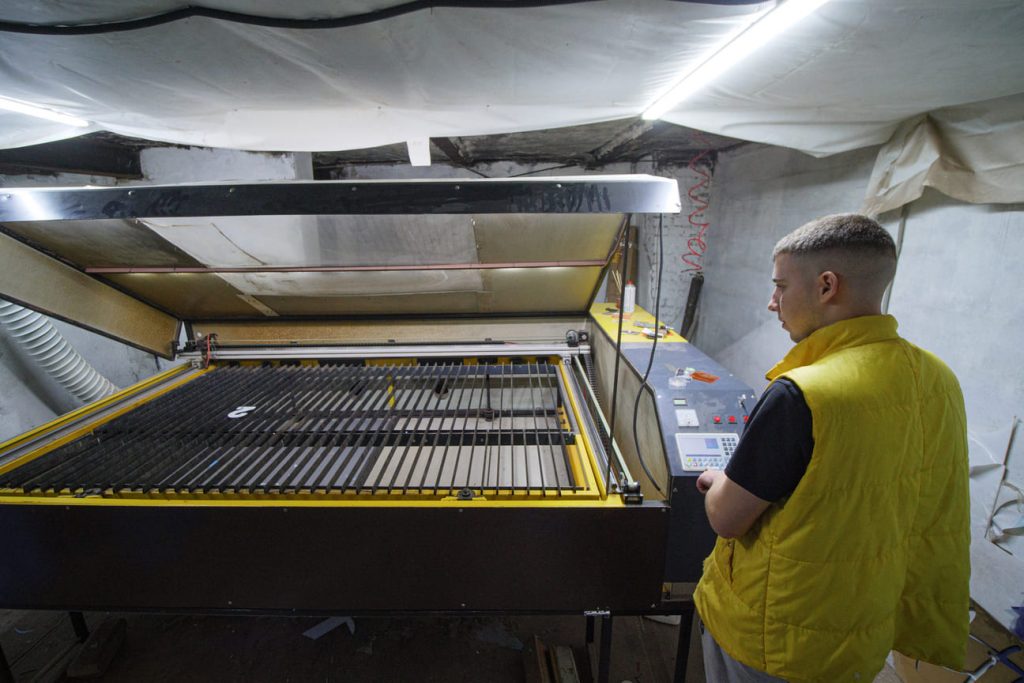
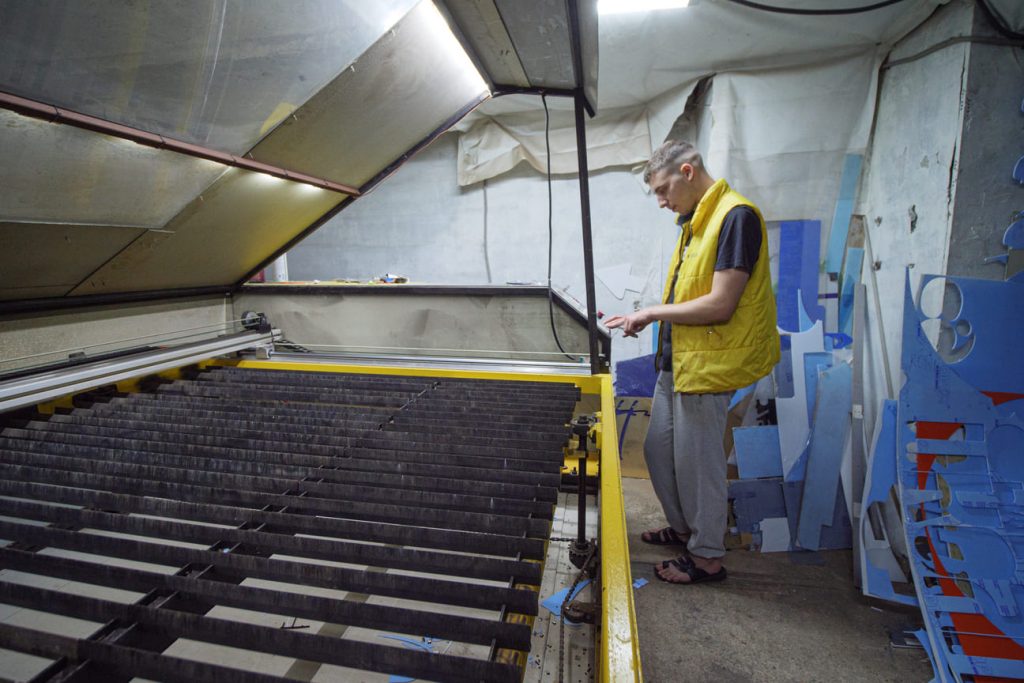
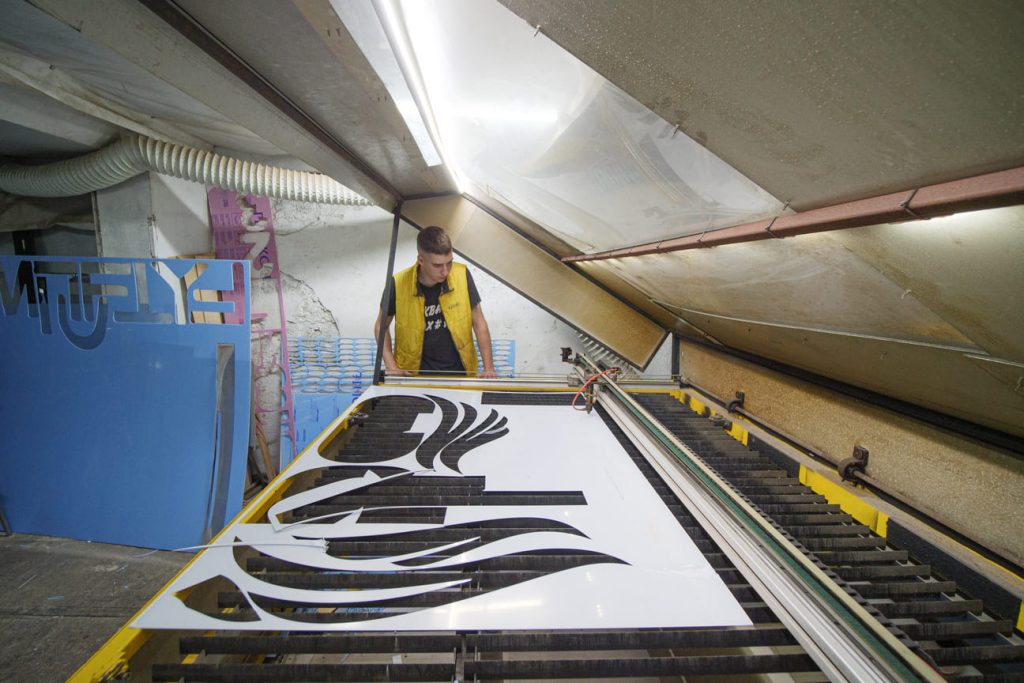
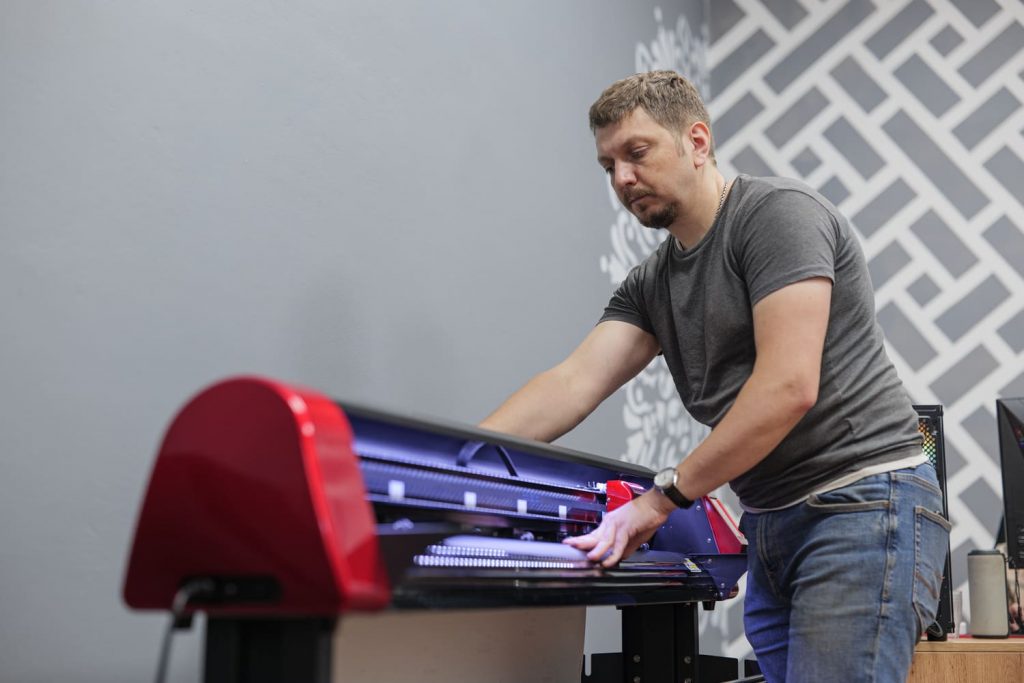
“It was unexpected, but perfectly timed. We immediately bought a new plotter — the old one was misaligned and inaccurate. With the new equipment, both speed and quality have improved significantly.”
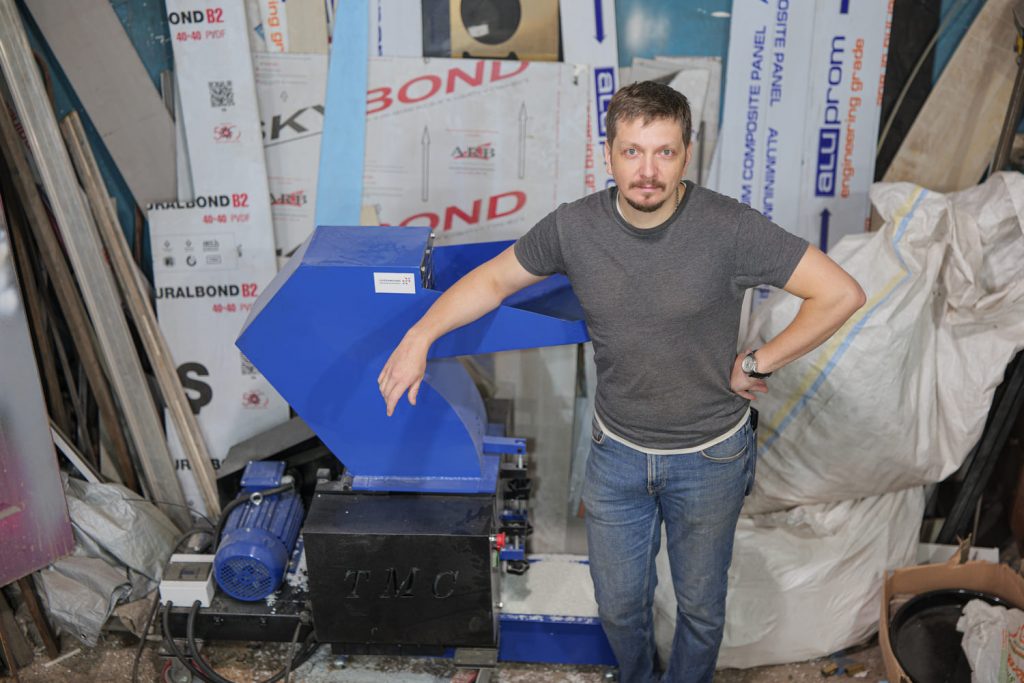
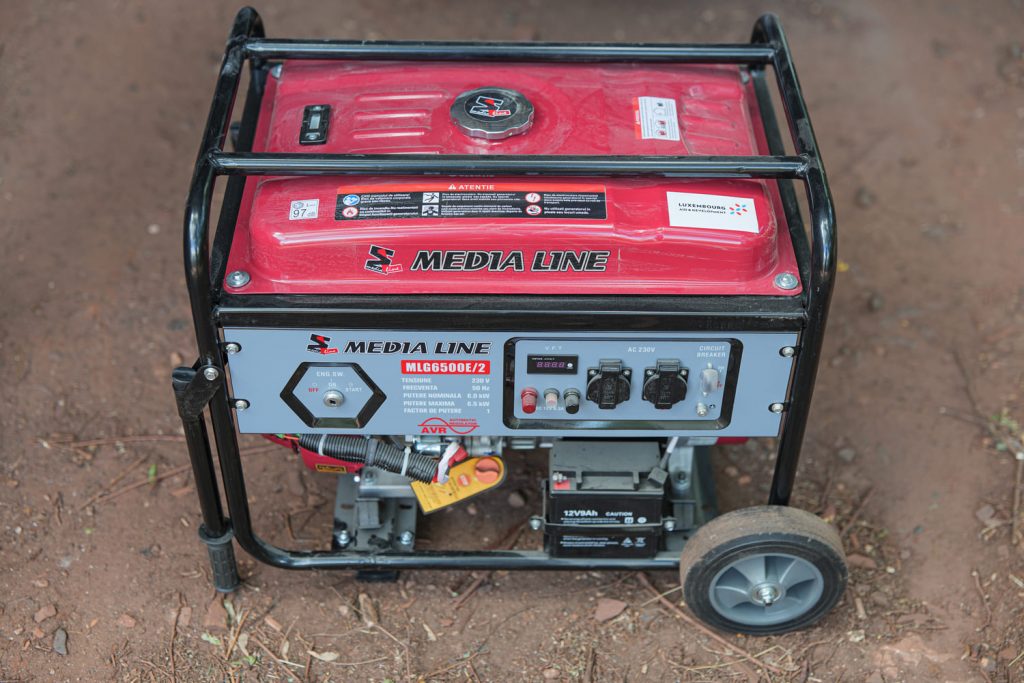
The team also used the grant to purchase a generator — essential for outdoor installations and power outages — and a plastic shredder. Producing signs and lamps generates a lot of plastic scraps.
“We used to just haul it all to the landfill. But I knew that wasn’t right. I wanted to give this waste a second life. The shredder is the first step toward our own mini recycling facility.”
Oleksii now plans to make tiles and components from recycled plastic — and he’s already searching for a team member to lead this new direction.
More Than Just Business
Although Oleksii’s team is small, their products reach several cities beyond Kryvyi Rih — including Vinnytsia, Poltava, Lutsk, and Kovel. The work is coming back, and the business is slowly regaining its rhythm. But some challenges remain.
“After the invasion, many people left. It’s hard to find someone willing to learn and work with their hands. But we keep going. The main thing is to be useful — for people, and for the country,” he says.
A Support Program That Gives Wings
Oleksii is confident: initiatives like this make a big difference for small businesses.
“It’s not just about the money. It’s the feeling that you’re not alone — that someone has your back, and what you do matters. These grants are a push forward. They inspire you to keep going, to grow, and to believe in the future,” he says.
ℹ️ For reference:
The program is implemented within the framework of the “Support for Recovery of Kryvyi Rih Rayon” project, funded by the Government of the Grand Duchy of Luxembourg through the Luxembourg Development Cooperation Agency (LuxDev) and the Business Development Fund.
Authorized banks: Oschadbank and PrivatBank.