
Навігатор фінансової підтримки
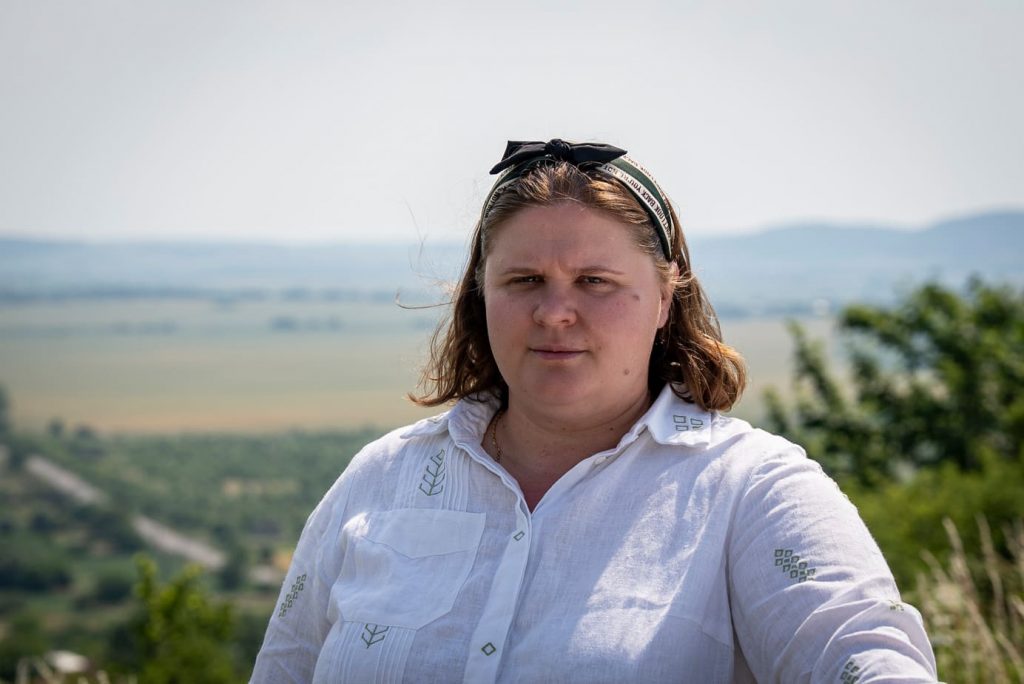
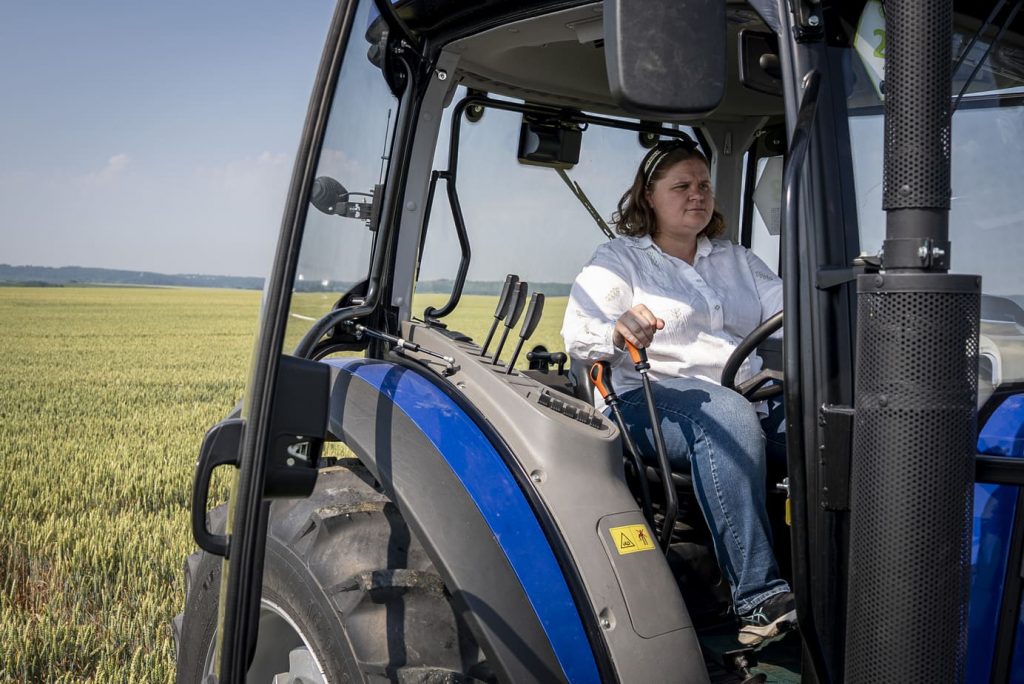
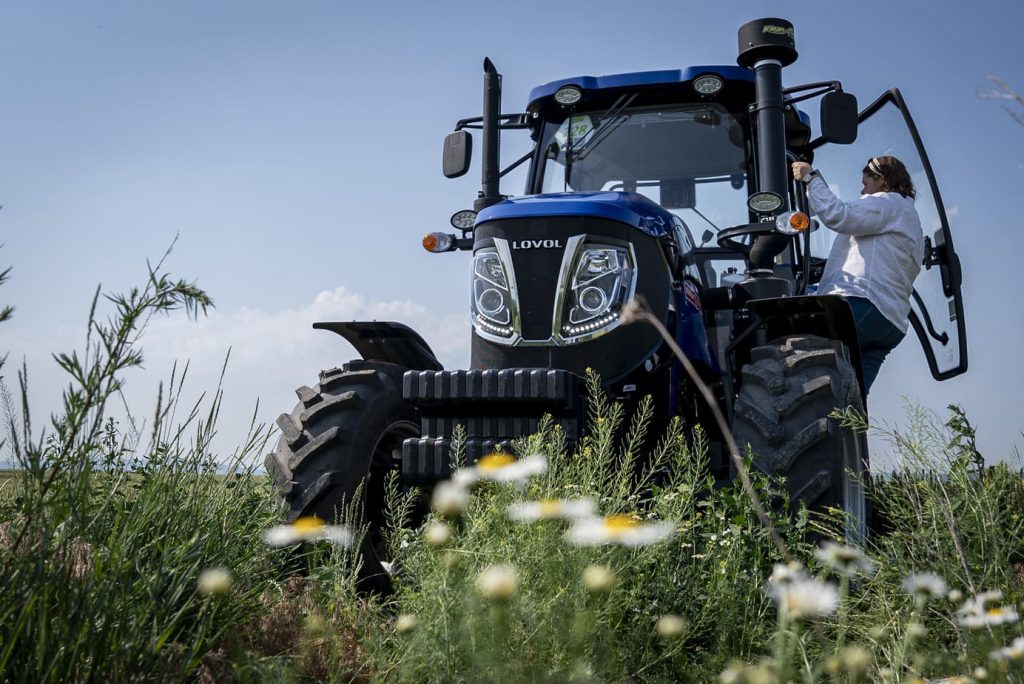
Running a farm — answering for thousands of hectares of land and a team of workers — wasn’t enough for Kateryna Chubko. To better understand fieldwork and be ready for any challenge, she got behind the wheel of a tractor herself.
Today, the farm director is enrolled in the retraining project “From Class to Work” and proving by her own example that new professional skills are never wasted.
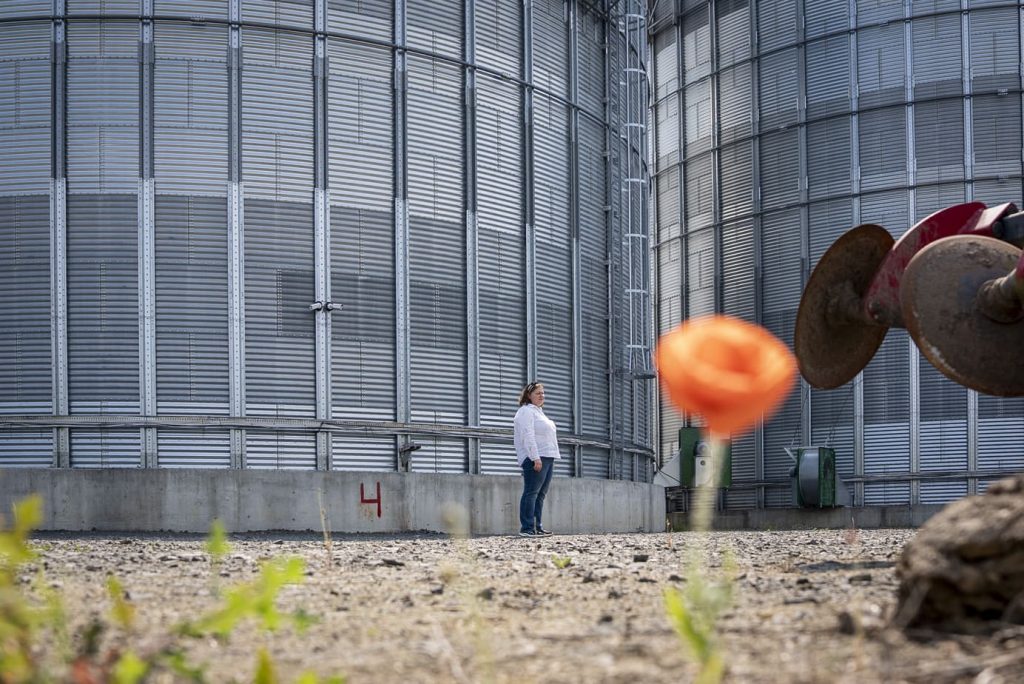
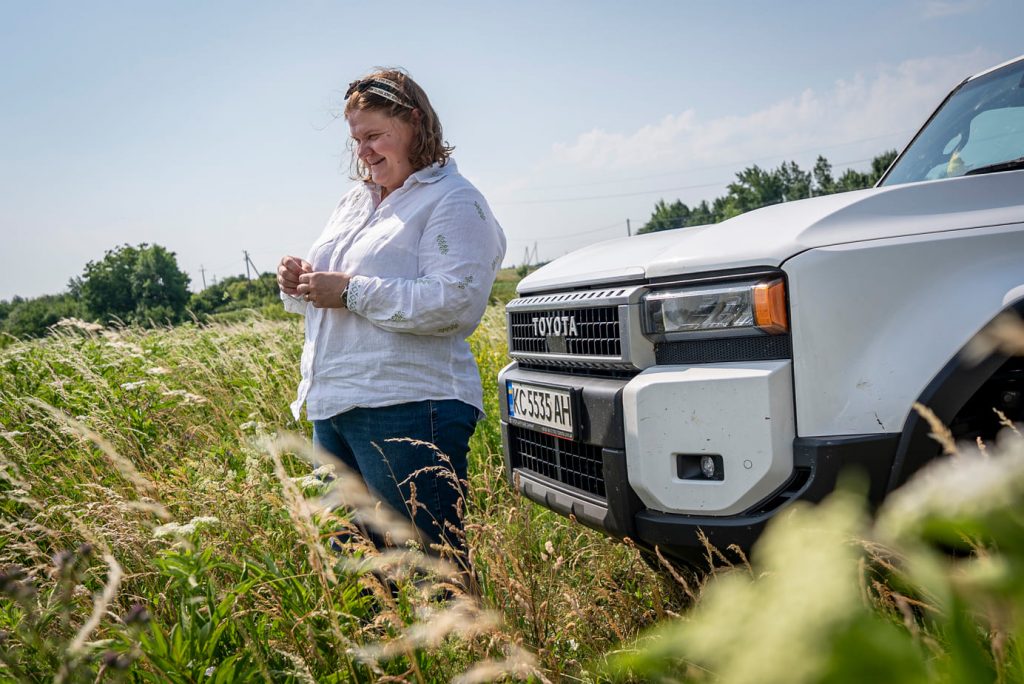
A native of the Odesa region, Kateryna Chubko has been running a farm in the Lviv region for six years now, part of the TM “VILIA” group of companies. By training she is a process engineer, and today she is responsible for more than 10,000 hectares of land and a team of 67 workers.
As a child, Kateryna loved playing at being a director, but she never made concrete career plans. She says she always simply followed what interested her. That same curiosity later led her to the tractor as well. As soon as she became director, her staff immediately started teaching her:
“I kept asking the guys, because I was so curious — how would this tractor handle, how about that one, let me take the wheel here, let me drive it there.”
After the start of the full-scale invasion, the desire to master the tractor became not just a hobby but a practical necessity. Because of the mobilization of workers, the farm increasingly ran into staffing shortages. Many machine operators went to defend the country — some of them, tragically, were killed. So for the farm’s manager, knowing how to operate the machinery also became a way of being ready to step in for the team at a critical moment.
Kateryna says that out in the field you need to be ready for any situation. During harvest, work doesn’t stop for a minute, so a manager has to understand the machinery, not just in theory.
“During harvest, we don’t stop at all. If the tractor driver or combine operator is having lunch, someone has to get on their machine and keep working. There were moments when strikes hit the field while someone was working there. I just want to be ready to handle any situation.”
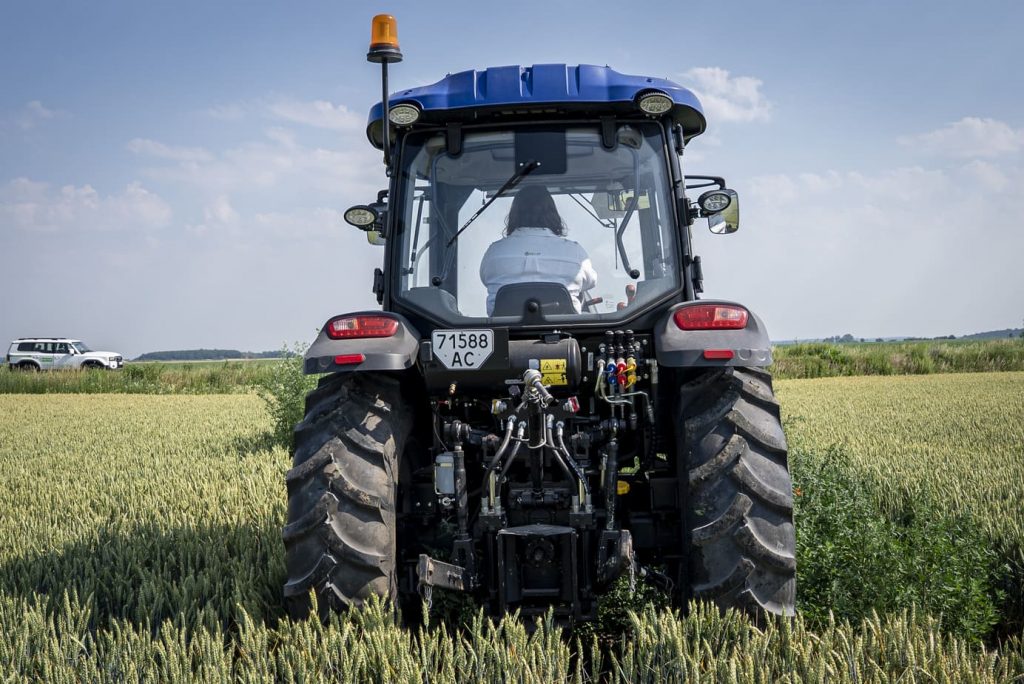
Last year she received a category A1 tractor driver’s license and can now officially operate light tractors when carrying out agricultural work. Her next goal is category A2, for working with more powerful machinery. So today Kateryna is taking part in the retraining project “From Class to Work,” implemented by the National Development Institution (NDI) as part of the Skills4Recovery initiative.
According to her, the project’s biggest advantage is the chance to study without stepping away from work and to gain new qualifications that make workers more versatile. She especially values studying alongside colleagues — the chief agronomist and the chief engineer. The team discusses the course material together, shares experience, and debates with the instructors: “We’re the practitioners, they’re the theorists. And that’s exactly where the most interesting things come from.”
Kateryna is convinced that the tractor driver’s profession is far more complex than it might seem at first glance. The work demands not just the ability to operate machinery, but also knowledge from various fields and readiness to react quickly to unusual situations.
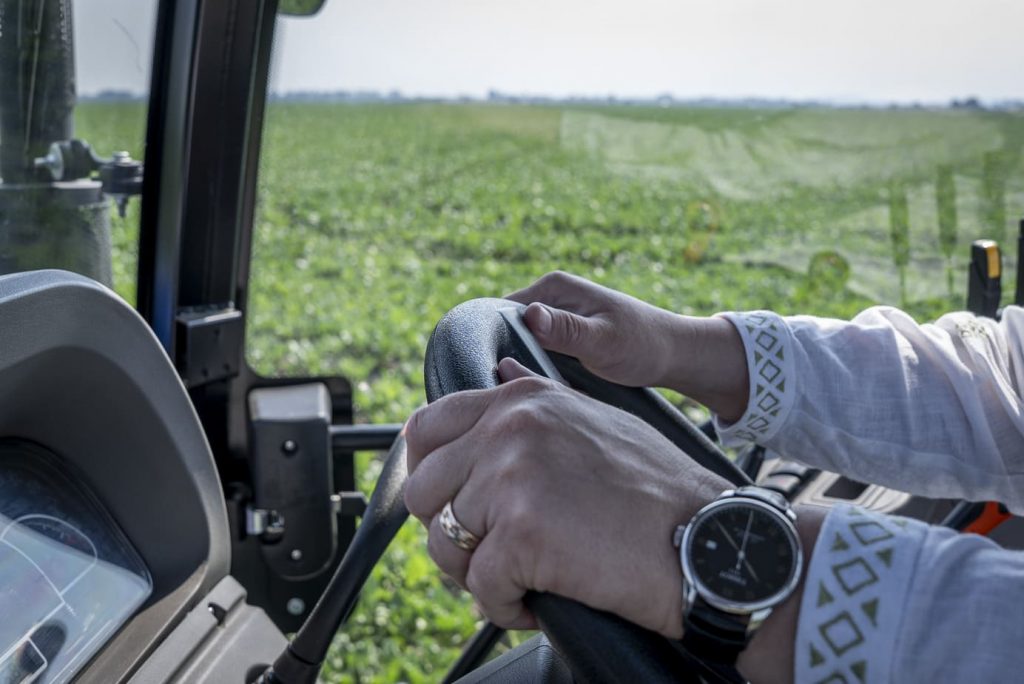
“When you’re driving a tractor with a load behind you, you need to understand the turning angle, turn correctly, avoid harming yourself or the person next to you, avoid crushing a bird or a hare in the field, and work correctly around power lines. And then there’s occupational safety too — you need to understand how the tractor’s gauge readings relate to each other, the control mechanisms, basic breakdowns, and what to do if the tractor catches fire or stalls.”
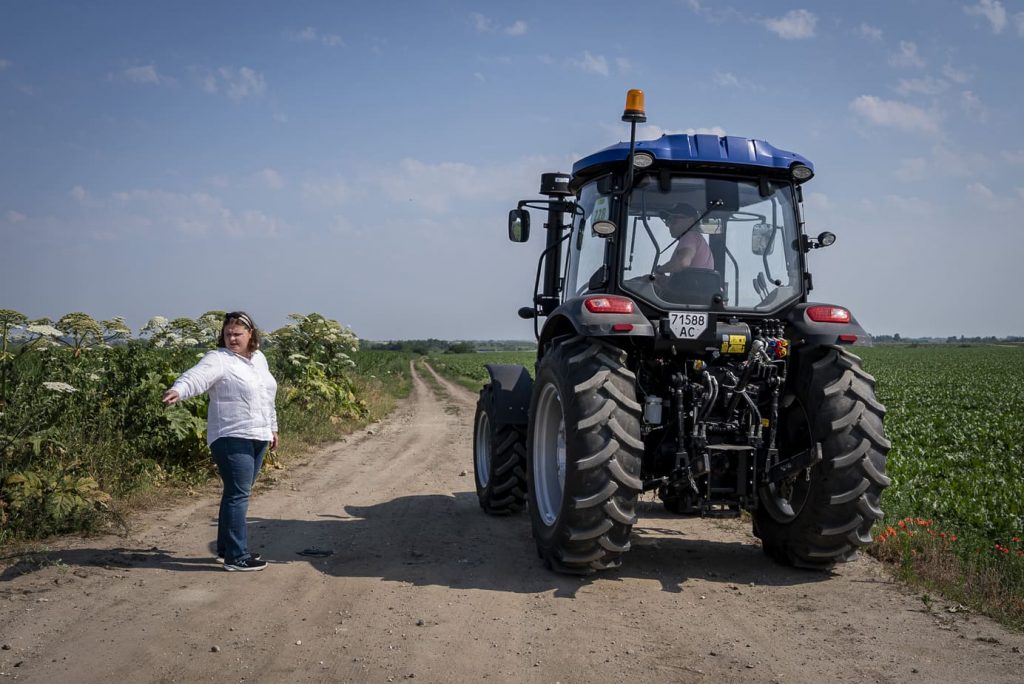
A particular pleasure for Kateryna is the chance to see the field from the inside — watching the birds and animals and noticing things that stay invisible from the office.
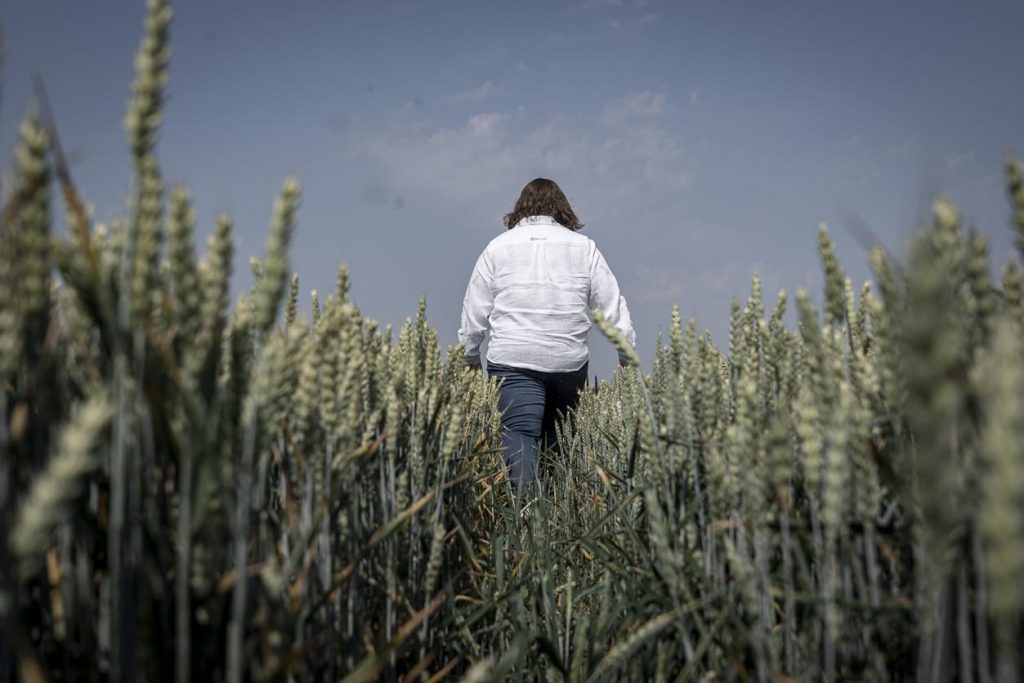
“There are technical mistakes, there are gaps in seeding, there are spots that were under-sown, there are things you need to stop and take a closer look at. You only see all that from the tractor cab. Besides, my guys know that if I want to check something, I’ll get in and check it myself. So they always try to be truthful with me.”
At the company, Kateryna is currently the only woman tractor driver. Still, she is convinced that the war has long since retrained a great many Ukrainian women.
“The war has shown a completely different dimension of femininity in Ukraine. Women aren’t sitting on their hands while the men fight. I see it in the villages too. People had a plot of land, had a little tractor, the husband went to the front. A year goes by — and I see the wife already driving the little tractor, doing something in the field.”
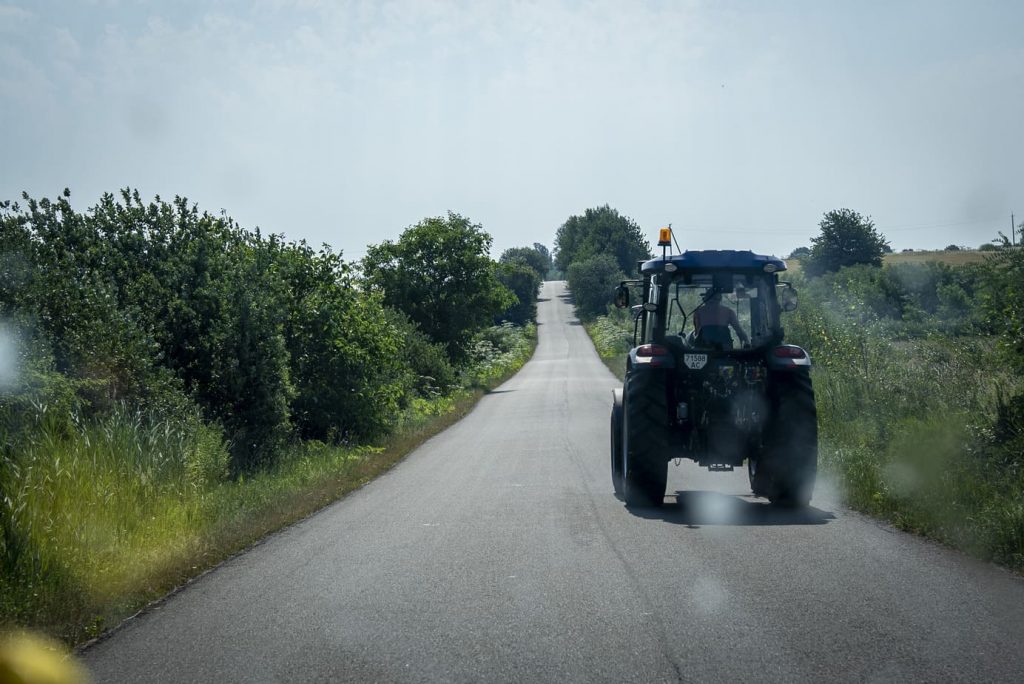
And although stereotypes still crop up, she treats them with humor. She especially recalls encounters with police officers: “I take a tractor from the guys, I’m driving along, and the police stop me. They look surprised. When I show my documents and my license to operate that kind of machinery, first they laugh, then they don’t believe it. And then they just shrug and say: ”Drive safe, Ma’am!”
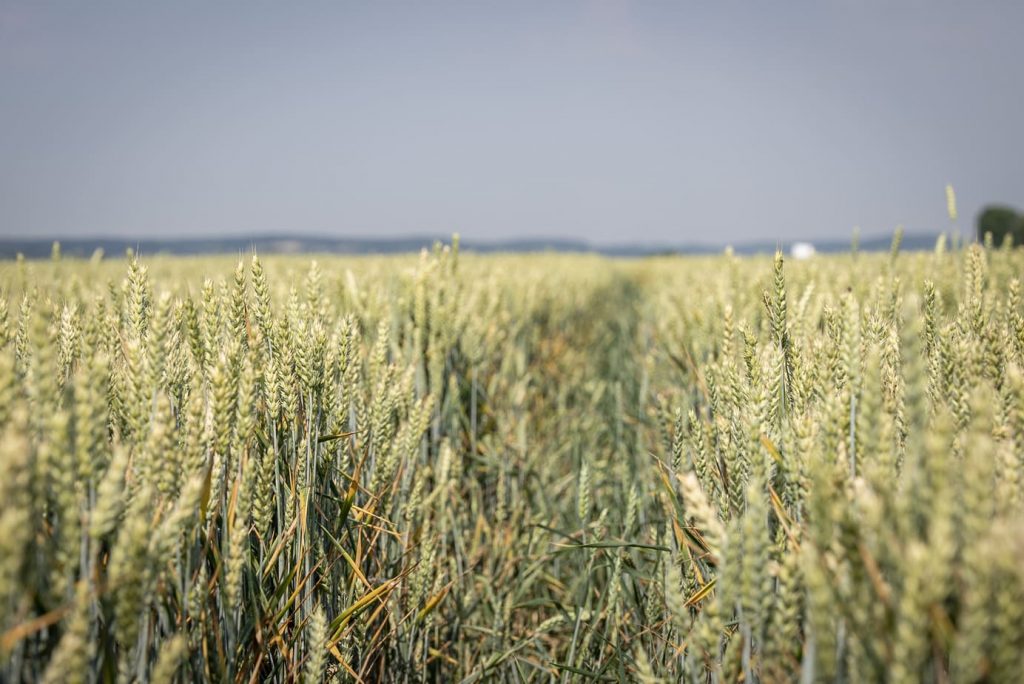
Ahead lies another harvest and new challenges. Because of the war, the agricultural sector continues to face a shortage of workers, but Kateryna is convinced: you can’t stop. She clearly remembers the spring of 2022, when many people didn’t understand what would come next or whether it was even worth going out into the fields.
“We sat down with the engineers, not even with the tractor drivers, and we sowed. I remember some French TV channel came by back then, right when we were spreading mineral fertilizer in the field. And they ask: how do you see your future? And I say: right there in the fields, that’s how we see it. Missiles are flying, and we’re sowing, and we’ll keep sowing, and we’ll keep harvesting. And that’s the spirit we keep moving forward with.”
That very principle remains her guiding one today as well: to work, to keep learning, and to keep moving forward no matter the circumstances.
Background information:
The project “From Class to Work: workplace-based training for women and other groups” is implemented by the National Development Institution within the framework of the Multi Donor Initiative Skills4Recovery.
Skills4Recovery is financed by the European Union, Germany, Poland, Estonia and Denmark. It is implemented by Deutsche Gesellschaft für Internationale Zusammenarbeit (GIZ) and the Solidarity Fund PL (SFPL).